Uganda, famously known as the Pearl of Africa, is one of the world’s top destinations for primate tourism. Home to more than 20 primate species, the country offers unforgettable encounters with endangered mountain gorillas, intelligent chimpanzees, and a remarkable variety of monkey species. From the misty forests of Bwindi to the lush canopies of Kibale, Uganda provides some of the best primate trekking experiences in Africa.

Whether you’re planning your first safari or returning for another wildlife adventure, this guide will help you discover Uganda’s incredible primates, where to find them, permit costs, and how to enjoy these extraordinary animals responsibly.

Mountain Gorillas

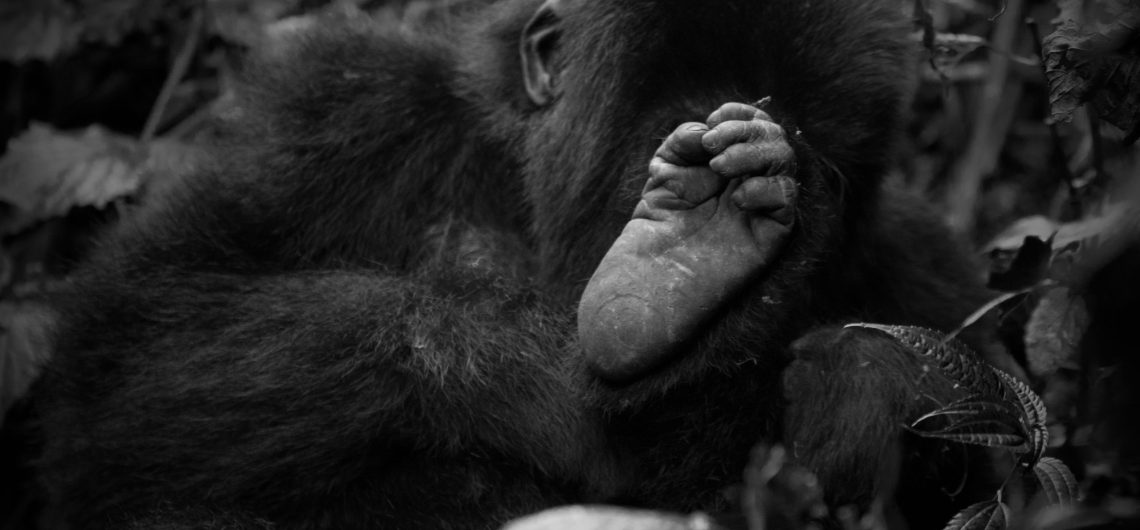
Mountain gorillas are Uganda’s most famous wildlife attraction and one of the world’s most endangered primates. With nearly half of the world’s remaining mountain gorilla population living in Uganda, the country offers one of the most rewarding wildlife experiences on Earth.

Where to See Mountain Gorillas

  • Bwindi Impenetrable National Park
  • Mgahinga Gorilla National Park

Gorilla trekking takes visitors deep into ancient rainforests where experienced guides lead small groups to habituated gorilla families. Spending one unforgettable hour observing these gentle giants in their natural habitat is truly a once-in-a-lifetime experience.

Gorilla Trekking Permit Costs

Standard Gorilla Trek

  • USD 600 during April, May, and November
  • USD 800 during the rest of the year

Gorilla Habituation Experience

  • USD 1,500 for 2026
  • USD 1,800 for 2027

The Gorilla Habituation Experience allows visitors to spend up to four hours with a semi-habituated gorilla family alongside researchers and rangers.

Interesting Facts About Mountain Gorillas

  • Share approximately 98.7% of their DNA with humans.
  • Live in family groups led by a dominant silverback.
  • Gorilla families may consist of up to 30 members.
  • Feed mainly on leaves, shoots, fruits, and stems.
  • Every gorilla has a unique nose print, just like a human fingerprint.

Chimpanzees

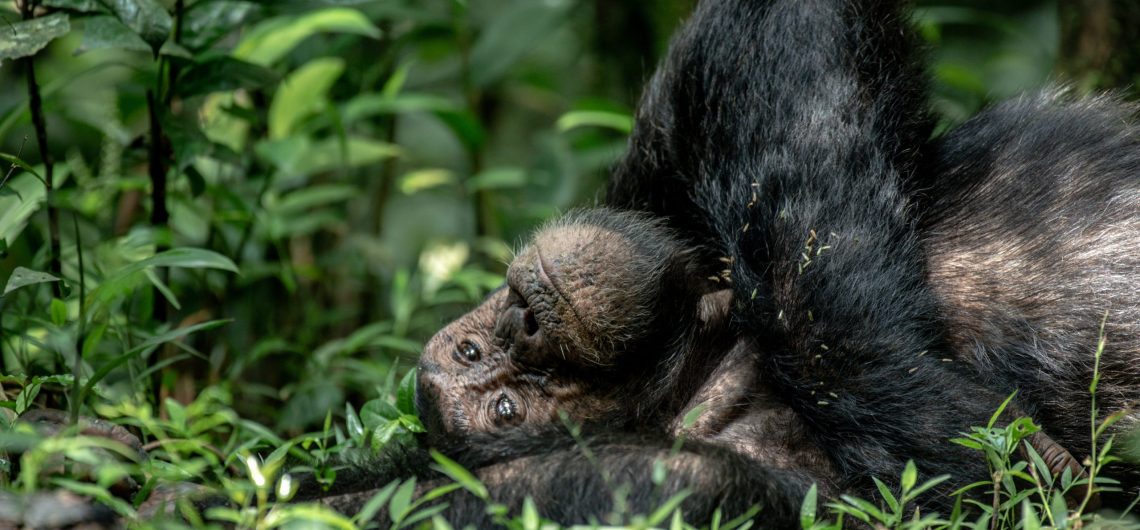
Chimpanzees are among the most intelligent animals on Earth and are known for their complex social behavior, remarkable problem-solving abilities, and close genetic relationship with humans.

Uganda is considered one of Africa’s best destinations for chimpanzee tracking, with thousands of wild chimpanzees living in protected forests.

Where to See Chimpanzees

  • Kibale Forest National Park
  • Budongo Forest Reserve
  • Kalinzu Forest Reserve
  • Kyambura Gorge

Kibale Forest National Park, often referred to as the Primate Capital of the World, boasts the highest concentration of primates in Africa and offers exceptional chimpanzee trekking experiences.

Chimpanzee Permit Costs

Chimpanzee Trekking – Kibale Forest

  • USD 250 for 2026
  • USD 300 for 2027

Chimpanzee Habituation Experience

  • USD 300 for 2026
  • USD 400 for 2027

Kyambura Gorge Chimpanzee Trek

  • USD 100 for 2026
  • USD 200 for 2027

Interesting Facts About Chimpanzees

  • Share approximately 98.8% of their DNA with humans.
  • Use tools to gather food and solve problems.
  • Live in communities of 20 to over 100 individuals.
  • Communicate through vocalizations, facial expressions, and body language.
  • Build new nests in trees every evening for sleeping.

Colobus Monkeys

Colobus monkeys are among Uganda’s most beautiful primates. Their striking black-and-white fur and exceptionally long tails make them easy to recognize as they leap gracefully through the forest canopy.

Where to See Colobus Monkeys

  • Kibale Forest National Park
  • Bwindi Impenetrable National Park
  • Queen Elizabeth National Park
  • Budongo Forest Reserve
  • Bugoma Forest

Interesting Facts About Colobus Monkeys

  • Feed primarily on young leaves.
  • Have specialized stomachs that digest tough vegetation.
  • Spend most of their lives high in the trees.
  • Can leap remarkable distances between branches with ease.

Other Monkey Species Found in Uganda

Uganda is home to many fascinating monkey species that can be spotted during forest walks, game drives, and nature excursions.

Vervet Monkeys

Highly adaptable and commonly seen near safari lodges, camps, and national parks.

Blue Monkeys

Elegant forest monkeys that spend most of their time in the upper canopy feeding on fruits and leaves.

L’Hoest’s Monkeys

A rare and secretive species found mainly in western Uganda’s montane forests.

Red-tailed Monkeys

Recognizable by their distinctive reddish tails, these colorful monkeys are often seen along forest edges and walking trails.

Other primates found in Uganda include olive baboons, grey-cheeked mangabeys, patas monkeys, and golden monkeys, the latter being a major attraction in Mgahinga Gorilla National Park.


Tips for Responsible Primate Trekking

Responsible tourism plays a vital role in protecting Uganda’s endangered primates and their habitats.

To ensure a safe and enjoyable experience:

  • Always trek with an authorized guide.
  • Maintain a minimum distance of 7 meters from gorillas and chimpanzees.
  • Avoid touching or feeding wildlife.
  • Speak quietly and move calmly while observing animals.
  • Follow all park regulations and ranger instructions.
  • Do not trek if you are feeling unwell, as human diseases can easily spread to primates.
  • Carry reusable water bottles and avoid littering in protected areas.

By following these guidelines, visitors help protect these incredible animals for future generations.


Conservation of Uganda’s Primates

Uganda has become a global leader in primate conservation through the combined efforts of the Uganda Wildlife Authority, local communities, conservation organizations, and responsible tourism.

Revenue generated from gorilla and chimpanzee permits directly supports wildlife protection, anti-poaching initiatives, habitat restoration, scientific research, and community development projects.

Choosing a responsible tour operator and respecting wildlife regulations contributes to the long-term survival of Uganda’s endangered primates.


Why Uganda Is Africa’s Best Primate Destination

Few destinations in the world offer the opportunity to encounter such an extraordinary diversity of primates in one country. From trekking endangered mountain gorillas through mist-covered rainforests to tracking wild chimpanzees in Kibale and spotting colorful monkey species across Uganda’s national parks, every experience is unique and unforgettable.

Uganda’s combination of rich biodiversity, experienced guides, well-managed conservation programs, and breathtaking landscapes makes it one of the finest primate safari destinations in Africa.

Whether you’re a wildlife photographer, nature lover, researcher, or first-time safari traveler, Uganda promises memories that will last a lifetime.

Book Your Uganda Primate Safari

Ready to experience the incredible primates of Uganda? Let our experienced safari specialists create a tailor-made itinerary that includes gorilla trekking, chimpanzee tracking, golden monkey encounters, and unforgettable wildlife adventures.

Contact us today to plan your Uganda primate safari and discover why the Pearl of Africa is one of the world’s greatest wildlife destinations.
Kidepo Valley National Park: Uganda’s Remote Wildlife Paradise

Kidepo Valley National Park is one of Africa’s most spectacular yet least-visited safari destinations. Located in the remote northeastern corner of Uganda, this breathtaking national park offers dramatic landscapes, abundant wildlife, and authentic cultural encounters. Its isolation has preserved its natural beauty, making it an ideal destination for travelers seeking an exclusive and unforgettable safari experience.

Whether you are a wildlife enthusiast, birdwatcher, photographer, or adventure traveler, Kidepo Valley National Park promises an extraordinary journey into one of East Africa’s last true wilderness areas.

Wildlife in Kidepo Valley National Park

Kidepo Valley National Park is home to an impressive diversity of wildlife, making it one of Uganda’s premier safari destinations. The park boasts more than 75 mammal species and over 475 bird species, offering exceptional game-viewing opportunities throughout the year.

During your safari, you may encounter:

  • African lions
  • Leopards
  • Cheetahs
  • African elephants
  • Rothschild’s giraffes
  • Cape buffaloes
  • Plains zebras
  • Jackson’s hartebeests
  • Elands
  • Uganda kobs
  • Oribis
  • Spotted hyenas

One of the park’s greatest attractions is the vast Narus Valley, where permanent water sources draw large concentrations of wildlife, making it one of the best locations for game drives. Watching massive herds of buffalo grazing across the open plains while predators quietly patrol nearby is an unforgettable safari experience.

For bird lovers, Kidepo is a true paradise. The park hosts rare and endemic bird species, making it one of Uganda’s top birdwatching destinations.

Stunning Landscapes

Kidepo Valley National Park is famous for its breathtaking scenery. Endless golden savannahs stretch toward distant mountain ranges, while seasonal rivers, rocky outcrops, riverine forests, and acacia woodlands create diverse ecosystems that support an abundance of wildlife.

The park is surrounded by the rugged Morungole Mountains, providing spectacular panoramic views and endless photography opportunities. Sunrise and sunset transform the landscape into a canvas of warm golden and orange hues, creating unforgettable moments for every visitor.

Unlike many other safari destinations, Kidepo remains peaceful and uncrowded, allowing guests to enjoy nature in complete tranquility.

Experience the Rich Culture of the Karamojong

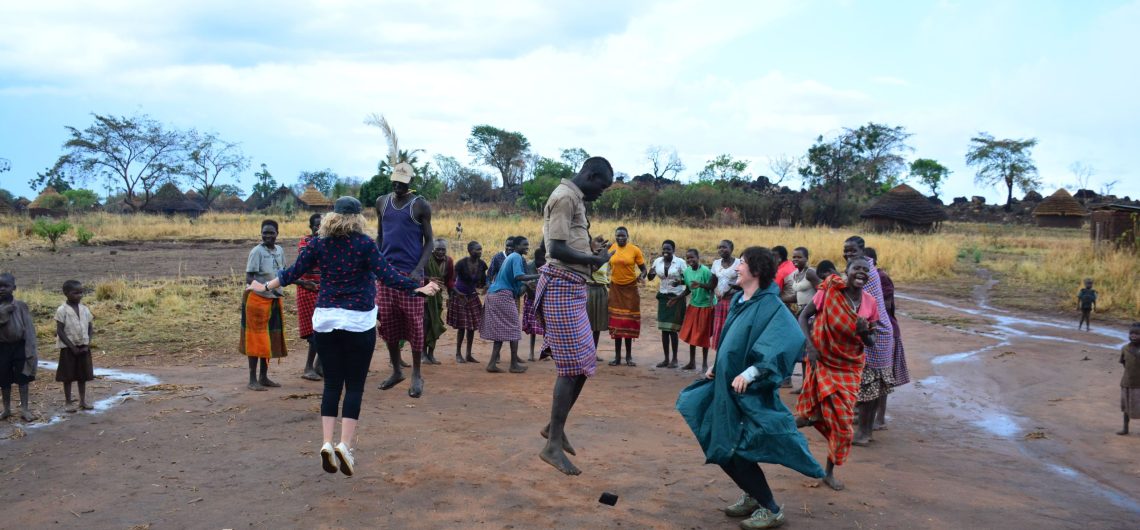
Beyond its incredible wildlife, Kidepo Valley National Park offers visitors the chance to experience the fascinating traditions of the Karamojong people, one of Uganda’s most distinctive pastoral communities.

A cultural visit provides insight into their traditional way of life, including:

  • Traditional dances and music
  • Visits to authentic manyattas (traditional homesteads)
  • Local handicrafts and souvenirs
  • Storytelling and cultural history
  • Cattle-keeping traditions and pastoral lifestyle

These cultural encounters provide a deeper appreciation of the region’s heritage and allow visitors to connect with one of Uganda’s oldest communities.

Top Things to Do in Kidepo Valley National Park

Game Drives

Morning and evening game drives offer excellent opportunities to observe predators and herbivores in their natural habitat. The Narus Valley is particularly famous for its high concentration of wildlife, making every safari exciting and rewarding.

Guided Walking Safaris

Walking safaris provide a unique opportunity to explore the African wilderness on foot under the guidance of experienced Uganda Wildlife Authority rangers. Visitors learn about animal tracks, native plants, insects, birds, and the delicate balance of the ecosystem.

Bird Watching

With over 475 recorded bird species, Kidepo Valley National Park is one of the finest birding destinations in East Africa. Birdwatchers can spot both resident and migratory species in diverse habitats across the park.

Cultural Tours

Spend time with the Karamojong people and experience their vibrant traditions, ceremonies, music, crafts, and daily lifestyle.

Nature Photography

The park’s untouched wilderness, dramatic landscapes, spectacular sunsets, and abundant wildlife make Kidepo a dream destination for photographers.

Best Time to Visit Kidepo Valley National Park

Kidepo Valley National Park can be visited throughout the year, but the dry seasons offer the best wildlife viewing conditions.

Best months to visit:

  • December to February
  • June to September

During these months, animals gather around water sources, making them easier to spot during game drives.

The rainy seasons offer lush green scenery, excellent birdwatching opportunities, and fewer tourists, making them equally rewarding for nature lovers.

Accommodation in Kidepo Valley National Park

Despite its remote location, Kidepo offers a variety of accommodation options suitable for every type of traveler.

Visitors can choose from:

  • Luxury safari lodges
  • Mid-range safari lodges
  • Comfortable tented camps
  • Budget accommodation

Many lodges overlook the vast plains, allowing guests to enjoy panoramic views and occasional wildlife sightings directly from their rooms.

Travel Tips

To ensure an enjoyable safari experience, consider the following travel tips:

  • Travel using a reliable 4×4 safari vehicle.
  • Carry binoculars for better wildlife viewing.
  • Wear lightweight clothing in neutral colors.
  • Bring sunscreen, sunglasses, and a wide-brimmed hat.
  • Pack a quality camera with spare batteries and memory cards.
  • Carry enough drinking water during game drives.
  • Book your safari with an experienced tour operator for the best experience.

Conservation and Sustainable Tourism

Kidepo Valley National Park plays an important role in conserving Uganda’s rich biodiversity while supporting surrounding communities through sustainable tourism initiatives.

Revenue generated from tourism contributes to wildlife protection, anti-poaching efforts, habitat conservation, and community development projects. By visiting Kidepo, travelers directly support the long-term preservation of one of Africa’s most remarkable wilderness areas.

Responsible tourism helps ensure that future generations can continue to enjoy this extraordinary destination.

Why Visit Kidepo Valley National Park?

Kidepo Valley National Park is one of Uganda’s greatest hidden treasures. Its untouched wilderness, spectacular scenery, abundant wildlife, rich birdlife, and vibrant cultural experiences combine to create one of Africa’s most authentic safari destinations.

Unlike many popular national parks, Kidepo offers a peaceful safari experience with fewer crowds and a true sense of adventure. Whether you are watching lions stalk prey across the savannah, photographing elephants beneath ancient acacia trees, or learning about the traditions of the Karamojong people, every moment spent in Kidepo is unforgettable.

For travelers seeking an authentic African safari far from the crowds, Kidepo Valley National Park is a destination that deserves a place on every Uganda travel itinerary.

Plan Your Kidepo Valley Safari Today

Discover the untamed beauty of Kidepo Valley National Park with a tailor-made safari designed to match your travel style. From thrilling game drives and guided walking safaris to unforgettable cultural experiences, Kidepo offers an adventure unlike any other in Uganda.

Contact us today to start planning your Kidepo Valley National Park safari and experience one of Africa’s last truly wild frontiers.

The best place for chimpanzee tracking in Uganda and east Africa is kibale forest national park blossoms in the western part of Uganda. It is referred to as the capital primates of the world the best place to trek chimpanzee in east Africa. Kibale national is not only aroma to 1500 chimpanzees but also harbor 324 species of birds indentified 250 species of trees and shrubs indentified 144 species of butterflies indentified, and other indentified numbers of 12 primates’ species.

Kibale national park covers 766 square kilometers and protecting moist evergreen rainforest in Uganda and east Africa, (296 sq mi) in size located between 1,100 meters (3,600 ft) to 1,600 meters (5,200 ft) in elevation.

How to get kibale national park

Kibale national park is located in western part of Uganda in districts of Kabarole, Kamwenge, Kyenjonjo and Fort Portal tourism city it is accessible from kampala/Entebbe from north route through Mityana, Mubende ,Kyegegwa, Kyenjonjo district road and you can also use Kampala Masaka, Mbarara Ibanda Kamwenge then to Kanyanchu visitation centre of kibale national park where most activities are done like chimp trekking, chimp habituation experience, primate walk and community swamp walk along Bigodi wetland sanctuary for primates and home of Great Blue Turacco bird species.

 Uganda chimpanzee experience travelers mostly use the northern route saying it is shorter and faster with the distance 358km with tarmac road unto kibale national park boss Kanyawara head office of kibale national park and Kanyanchu visitation point of kibale forest.

Kibale forest national has the highest number of primates in Uganda, east Africa and Africa. With 13 species of primates indentified are chimpanzees, the closest relative of human being sharing 98.7% genetic material. Kibale has 1500chimpanzee which proves Uganda’s biggest number of this endangered species. Kibale is also to home of rare I’Hoest’s monkey as well as east Africa biggest population of endangered red colobus monkey, red tailed monkey, blue monkey, grey cheeked mangabey, olive baboon, bush baby among others  with some good number of mammals like forest buffaloes, forest elephants, bush pig, and many others like reptiles and amphibians

You can book your trip tom kibale national with trustfully company to organize or plan for are 3days chimpanzee trekking , 6 days chimpanzee trekking , and 10 days chimpanzee safari to Uganda.

Travelers can also choose to fly from Kajansi airfield or Entebbe airport. It is the internal flight with aero link and it takes 45-50minutes to Kasese air trip in Nyankasanga and from their you can be picked up driven to kibale national by road from to kibale national park. You can book yourself 3 days fly to kibale national park according to the time you have for your vacation to spend on your chimpanzee experience

How to book trip to kibale national park for your best chimpanzee experience in east Africa and Uganda

You will contact trusted tour operator/company (letsgogorillauganda tours and travel) operating safaris in Uganda who will give you the plan on how to carry out chimpanzee and give you the budget and the requirements of the trip including trekking permits booked from Uganda wildlife authority by recognized tour company  and the after your confirmation of the trip and agreed budget, the tour operator will contact and book your permit from Uganda wildlife authority which will be given to you on your day of chimpanzee trekking or habituation experience before the briefing  by the ranger guides who will lead you the forest.

Permit is the document that allows visitors to access the national park for activities like chimpanzee trekking, chimpanzee habituation requires trekking permits to enter the forest for the mentioned activities.

Chimpanzee facts

  • The first thing you should remember about chimpanzee is that they are not like monkeys. They are apes like Gorillas, Orangutans and of course humans and in fact they share genetically and are closest living relatives on earth sharing more than 98.7% of genetic , “blueprint”. This means that less than 2% of our DNA is different from chimpanzees.
  • Although chimps are our closest relatives, their brains have measured  at around 282 to 500cc and human brains are appromixamately three times that size , so we are still well are head of them in that area at least so Far.
  • The chimpanzee was the first non-non human to learn American sign language
  • In 2008, a chimpanzee named Anjana adopted and raised two babies of white tigers named Mitra and Shiva after hurricane
  • Elephants and chimpanzee have ability to display behaviors patterns similar to post- traumatic stress disorder and depression.
  • Humans have the same number of hair follicles as chimpanzees have.
  • Chimpanzees can indentify each other from pictures of their butts.
  • In 1954, Congo was the chimpanzee who learned how to draw and paint, Congo was famous abstract painter whose painting were sold to piscasso, Dali among others for up to USED=26,000/=
  • Chimps use medicinal plants to treat themselves for illness and injury.
  • United states and Gabon are the only two countries that allow experimentation on chimpanzees
  • Chimpanzees fart so loudly and frequently that scientist locates them in forest occasional by following fart.
  • Comparative analysis indicated that chimpanzee and bonobos show population level right handedness, whereas gorilla and orangutans do not.
  • While chimps consume a wide variety of foods, including the fruits and leaves of hundreds of plants, they prefer fruits of fig or ficus trees. They also eat meat; their favorite is red-colobus monkey and invertebrates such as termites. This only makes an estimated of 2% of their diet.
  • Chimpanzee has thickets body with long arms, short legs and no tail. Much of the body is covered with long black hair, but the face ears, fingers and toes are bare. They also hands that can grip fairly, allowing them to pick objects, the discovery that they use tools for certain purposes surprised the world.
  • Chimpanzee are mainly found in green rainforest like kibale national park in Uganda wet savannah while  they spend equal time on land and in trees, they do most of their feeding  and sleeping up in trees.
  • Chimps are one of the animals that are known to make and use tools, they have been observed stripping the leaves off twig and then dip it into termite nest to catch insects and chewing the end of stick to make of more water absorbent so that it can be used as a “dipping stick”
  • Chimps can very aggressive, groups of males will plan and execute attacks on another chimp often causing injuries and fatalities, serious fatal attack on humans have also been reported.
  • Chimpanzees are one of the only two species in the genus pan, their other being bonobo and both are found in sub Saharan Africa. It was taught that chimpanzee and bonobos were one species but they are now recognized as two distinct species , the chimpanzee( pan troglodytes) is found north of Congo river and splint into 4  sub species, the bonobo (pan paniscus) is found south of the Congo river and has not been splint into any sub species .
  • Fifty years ago, there were probably million chimpanzees in Africa. Today chimpanzee is an endangered species with as few as 170,000 left in the world.
  • Chimpanzee can live for more than 50 years, this is another reason why chimps are purchased as pets often end up in sanctuaries
  • Chimps change their bedding every day by making new nests every evening before in new places up in trees
  • Chimps live in communal basis and each community has culture and way of life. More excitingly each community has a leader which chooses amongst them.

Activities in kibale forest that you can do your chimpanzee experience in Uganda or east Africa

Chimpanzee trekking

Kibale forest national park is the best place for chimpanzee trekking in Uganda, east Africa and Africa where you are given 100% of meeting the closest of human being chimps in its natural habitat that will reward you with unforgettable and ultimate experience

Kibale is referred to as the” primate capital of the world” and its popular known for habituated chimpanzee in the world read for tracking

This excursion is quiet adventure that only keeps the adrenaline pumping but pleasant the challenges in terrain with obstacles to encounter with the chimpanzees in their natural environment within the tropical rain forest of kibale national park

While on your guided nature walk in the tropical rain forest in search of chimps, red-tailed monkeys, black and white colobus monkeys, baboons, bush baby and many others are seen while caring out trekking

Kanyantere community group has 120 individuals and its 30 years old and always ready for travelers for chimpanzee trekking in kibale forest and it is the first to group that was introduced in kibale forest national 30 years back for tourism

Chimpanzee habituation experience in kibale forest national park

Chimpanzee habituation experience is the one of the exciting activities within kibale forest national park.  Here you will learn the lifestyles and behaviors of chimpanzee the closest relative of human of being sharing 98.7 genetic material, you spend full day walking through the forest, the ranger guides will educate you the life and behaviors of chimps and also learn the flora and fauna in the park.

You will witness how chimps de- nest their nocturnal nest(something they do each morning), feed, groom the young, play and construct nest in the evening etc. there are 13 species of primates including Black and White Colubus monkeys, red colobus monkeys, L’Hoests monkeys, Baboons, Bush Baby and abundant chimpanzee. While over 325 avian species are recorded in kibale 144 species of butterflies and many more.

Chimpanzee starts early morning at 6:00am and end 7:00am in kibale while learning with kisongi community group with of 180 individuals and it is was established in 2018 for habituation experience and its now for travelers that are ready for habituation experience in kibale forest national park and many other groups are still under habituation but still wild like burange  community group soon to be introduced for tourism and habituation experience .

Bigodi swamp walks for primate watching, birding and then community visit

Bigodi swamp is the community based organized that was started by organized group of few individuals 20 years with the aim of promoting tourism in the community. The sanctuary offers great birding opportunities and nature walks while learning indentifying and  viewing different birds and primates  and then after swamp you can participate in the village walk to Bigodi community you have chanced to mix with the African traditions in terms of life styles and entertainment with their cultural dances and learning their culture heritages and customs.

Here it will make of your 3 days chimpanzee experience in kibale forest national park

Book your trip with us: www.ubuntuugandajourney.com or email: info@ubuntuugandajourney.com for your chimpanzee experience in Uganda and East Africa